How Long Do Coffee Beans Stay Fresh A Complete Guide to Coffee Freshness
Fresh coffee is not just about buying good beans. It is about timing, storage, grinding, and knowing when a bag has passed its best days. A beautiful bag of beans can taste dull if it has sat open near the stove for a month. A simple, well-stored roast can taste lively for weeks.
So, how long do coffee beans stay fresh? As a practical rule, whole roasted coffee beans taste best within 2 to 4 weeks after the roast date when stored well. They do not suddenly become unsafe after that, but the flavor fades. The aroma softens, the sweetness drops, and the cup can become flat, papery, or bitter.
Freshness is not one exact countdown. It changes based on roast level, packaging, storage conditions, and how often the bag gets opened. This guide breaks down what really matters and how to keep every cup tasting closer to the roaster’s intent.
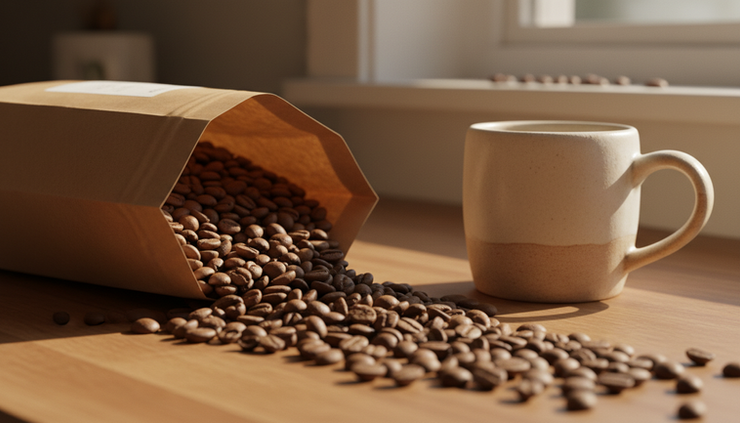
Coffee freshness is about flavor, not just age
Coffee beans are seeds that have been roasted. During roasting, heat creates the flavors and aromas people love, from chocolate and caramel to fruit and toasted nuts. After roasting, those flavors begin to change.
Fresh roasted coffee releases carbon dioxide for days after roasting. This process is called degassing. A little degassing is good. If coffee is brewed too soon after roasting, the trapped gas can interfere with extraction and make the cup taste sharp or uneven.
Here is the general freshness window for roasted coffee:
Coffee type | Best flavor window | Still usable after that |
Whole roasted beans, opened | About 2 to 4 weeks | Often 2 to 3 months, with fading flavor |
Whole roasted beans, unopened and sealed | Several weeks to a few months | Depends on packaging and roast date |
Ground coffee, opened | About 1 to 2 weeks | Flavor drops quickly |
Green, unroasted coffee beans | Several months or more | Best stored cool, dry, and stable |
The key phrase is best flavor window. Coffee can last longer than it tastes fresh. That is where people get confused when they ask do coffee beans go bad. Most roasted beans do not spoil like milk. They go stale first.
If beans smell rancid, musty, moldy, or look damp, do not use them. That is no longer a freshness issue. That is a quality and safety issue.
The main factors that affect coffee bean freshness
Coffee loses freshness because it reacts with the environment. The big enemies are oxygen, heat, light, moisture, and time.
Oxygen steals aroma
Once roasted coffee meets air, oxidation begins. Oxygen slowly breaks down aromatic compounds and oils. This is why an opened bag loses character faster than a sealed one.
Whole beans have a natural advantage because less surface area touches the air. Ground coffee exposes much more surface area, so it stales much faster.
If you want the shortest answer to how long do coffee beans last, coffee bean freshness fresh roasted coffee how to store coffee beans do coffee beans go bad whole bean coffee shelf life stale coffee beans best way to store coffee all come back to one simple habit: keep oxygen away as much as you can.
Heat speeds up staling
Heat makes chemical reactions happen faster. A bag of beans stored beside an oven, sunny window, dishwasher, or refrigerator vent will age faster than one kept in a cool pantry.
Room temperature is fine if the space stays stable. The goal is not cold storage for everyday use. The goal is avoiding warm spots and temperature swings.
Light breaks down flavor
Light, especially direct sunlight, can damage coffee oils and aromas. Clear glass jars look nice, but they are not ideal unless kept inside a cabinet.
Opaque containers or the original resealable bag usually work better.
Moisture is a serious problem
Roasted coffee is porous. It can absorb moisture and nearby odors. Moisture can make beans smell stale, woody, or musty. In bad cases, it can contribute to mold.
This is one reason the refrigerator is usually a poor place for coffee. Fridges are humid, full of odors, and opened often. Coffee can pick up smells from onions, leftovers, and other foods.
Roast level changes the timeline
Not all beans age the same way.
Light roasts often need a little more rest after roasting. They can taste better several days after the roast date once degassing settles. They may also keep their structure a bit longer because they tend to be less oily on the surface.
Dark roasts are more porous and often show surface oils. Those oils can oxidize quickly, which may lead to stale, smoky, or rancid flavors sooner.
Medium roasts often sit in the middle. They are usually approachable within a few days of roasting and stay pleasant for a few weeks when stored well.
Bean origin and processing can also play a role, but storage habits usually matter more at home.

The best way to store coffee beans at home
The best storage method is simple: keep beans in an airtight, opaque container in a cool, dry place.
You do not need expensive gear to do this well. You need consistency.
Keep beans in the original bag if it seals well
Many specialty coffee bags come with a one-way valve and a resealable closure. The valve lets carbon dioxide escape without letting much oxygen in. If the bag closes tightly, it is often a good storage option.
After each use:
Press out extra air gently.
Seal the bag fully.
Keep it inside a cabinet or pantry.
Avoid setting it near heat or sunlight.
If the bag does not reseal, move the beans to a better container.
Use the right container
A good coffee container should be:
Airtight
Opaque
Clean and dry
Sized close to the amount of coffee inside
A half-empty giant container holds a lot of air. If possible, use a container that fits your typical coffee amount without too much empty space.
Glass jars can work only if stored in a dark cabinet. Clear jars left on the counter are better for decoration than freshness.
Do not store daily coffee in the refrigerator
The fridge seems logical, but it creates problems. Coffee absorbs odors and moisture easily. Daily temperature changes from taking the bag in and out can also create condensation.
For everyday coffee, a pantry beats a refrigerator.
Freeze coffee only when it makes sense
Freezing can help if you bought more beans than you can use within a few weeks. The trick is to freeze coffee in small, airtight portions.
Use this method:
Divide beans into amounts you will use within a week or two.
Seal each portion in an airtight bag or container.
Remove as much air as possible.
Freeze the portions.
When ready, thaw one portion while still sealed.
Open it only after it reaches room temperature.
Do not keep opening the same frozen bag every morning. That invites moisture and temperature swings.
Frozen coffee is best for preserving extra beans, not for daily scooping.
How to tell if coffee beans have gone stale
Stale coffee does not always look obvious. Beans can appear normal while tasting lifeless. Use smell, appearance, bloom, and flavor together.
The aroma is weak or flat
Fresh beans smell expressive. Depending on the coffee, that might mean chocolate, nuts, berries, brown sugar, citrus, spice, or toasted grain.
Stale beans often smell:
Cardboard-like
Dusty
Woody
Ashy
Rancid
Faint or hollow
If you have to work hard to smell anything, the coffee has likely lost much of its freshness.
The beans look dry, oily, or uneven in a new way
Some dark roasts are oily from the start, so oil alone is not always a warning sign. The concern is oil that smells rancid or appears after long storage.
Light and medium roasts should not usually become shiny and greasy over time. If they do, oxidation may be taking over.
Also watch for clumping, dampness, or any sign of mold. Throw those beans away.
The bloom is small when brewing pour-over
When hot water hits fresh coffee grounds, carbon dioxide escapes and creates a foamy bloom. This is most visible in pour-over or French press brewing.
A small bloom does not always mean bad coffee. Roast level, age, grind, and water temperature all affect it. Still, if a coffee used to bloom nicely and now barely reacts, it may be stale.
The cup tastes dull
Taste is the final test. Stale coffee often tastes:
Flat
Bitter without sweetness
Papery
Sour in a hollow way
Smoky or ashy
Thin, even when brewed correctly
Before blaming the beans, check grind size, water temperature, brew ratio, and equipment cleanliness. Old coffee oils in a grinder or brewer can make even fresh beans taste stale.

How to buy coffee beans for maximum freshness
Good storage helps, but freshness starts before the beans reach your kitchen. Buying habits make a huge difference.
Look for a roast date
A roast date is more useful than a best-by date. Best-by dates can be set far into the future and do not tell you when the coffee was roasted.
For the freshest flavor, buy beans with a clear roast date and plan to use them within a few weeks. If you brew espresso, you may prefer beans that have rested about 5 to 14 days after roasting, depending on roast level and style. For pour-over, many coffees taste good after a few days of rest.
Buy whole beans
Whole bean coffee shelf life is better than ground coffee because whole beans protect more of their aroma. Grinding right before brewing is one of the simplest ways to improve flavor.
If you do not own a grinder, buy smaller amounts of ground coffee and use it quickly. Ask for the grind size that fits your brew method.
Match bag size to your routine
A 12-ounce bag is common in the U.S. If you brew one or two cups a day, that may be a good size. If you brew only on weekends, a smaller bag may keep quality higher.
A useful rule is to buy what you can use in 2 to 4 weeks.
Bulk coffee can be a good value, but only if you use it fast or freeze portions properly.
Choose packaging that protects the beans
Look for bags that feel sturdy and have a one-way valve. Avoid beans from open bins unless turnover is very high. Open bins expose coffee to air, light, and customer handling.
If buying from a local roaster, ask what was roasted recently. Most roasters are happy to guide you toward fresh options.
Be realistic about roast preference
If you love dark, oily coffee, buy smaller amounts more often. Dark roasts can lose their best aroma faster once opened.
If you enjoy lighter specialty roasts, give them enough rest. Brewing them the day after roasting can produce a gassy, sharp cup. A few days can make the flavor clearer.
How to use beans while they are still at their best
Freshness is not only about storage. Brewing habits matter too.
Grind only what you need. Once coffee is ground, it loses aroma quickly. A burr grinder gives a more even grind than a blade grinder, which helps flavor and consistency.
Keep your grinder clean. Coffee oils build up over time and turn stale. Brush out loose grounds often, and clean according to the grinder maker’s instructions.
Measure your coffee and water. Guessing can make fresh coffee taste weak or harsh. A simple kitchen scale helps you repeat a good cup.
Use clean, good-tasting water. Coffee is mostly water, so stale filters, heavy chlorine flavor, or mineral imbalance can flatten the cup.
Store beans away from strong smells. Coffee near spices, garlic, or cleaning products can absorb unwanted aromas.

A simple freshness plan that works
If you want consistently good coffee without overthinking it, follow this plan:
Buy whole beans with a roast date.
Choose an amount you can finish in 2 to 4 weeks.
Keep beans sealed in an opaque airtight container.
Store them in a cool, dry cabinet.
Grind right before brewing.
Freeze only extra beans, divided into small sealed portions.
Trust your nose and taste.
Coffee freshness is a moving target, but it is not mysterious. Beans are at their best when they are recently roasted, protected from air and moisture, and used before their aroma fades. Treat coffee like a fresh food with a generous window, not a pantry item that can sit open for months without change.
A better cup often starts with one small habit: buy less coffee more often, store it well, and grind it right before brewing.


Comments